Introduction
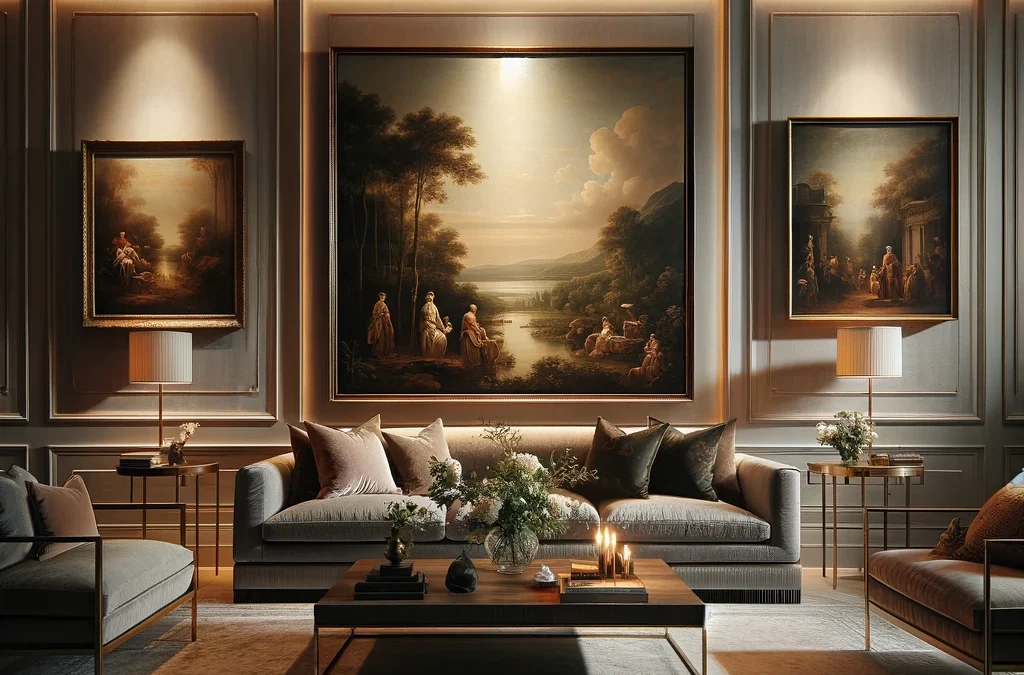
The allure of art collecting lies in the unique blend of passion and investment, offering both personal enrichment and the potential for financial gain. Embarking on the journey of art collecting opens up a world where the appreciation of beauty meets the acumen of asset growth. This blog post aims to unravel the joy and value that collecting art brings, touching upon its emotional rewards and investment benefits. Whether you’re drawn to the serene landscapes of Impressionism or the bold strokes of Modernism, our aim is to guide beginners on their path to starting a collection that not only captivates the heart but also holds potential financial rewards.
Understanding Art Styles and Periods
Section Overview
Art, in its myriad forms, mirrors the evolution of society, capturing the essence of each era through its styles and movements. Understanding the major art styles and periods is crucial for any collector, as it not only enriches one’s appreciation of art but also aids in making informed decisions. This section serves as a primer to some of the most influential styles and periods, outlining their historical context and distinguishing features.
Examples
- Impressionism: Born in the late 19th century, Impressionism broke away from the conventions of the time by focusing on the play of light and its changing qualities. This style is best embodied in the works of Claude Monet and Edgar Degas, whose paintings capture fleeting moments with a vivid, almost ethereal, palette.
- Modernism: Modernism represents a radical break from the past, with artists experimenting with form and technique to express the complexities of the new industrial and fragmented world. Think of Pablo Picasso’s cubist distortions or the abstract splendours of Wassily Kandinsky.
- Contemporary Art: Encompassing a wide range of post-20th-century styles, contemporary art is characterised by its global perspective, diversity, and experimentation. It’s a realm where traditional boundaries are blurred, and almost anything can be considered art.
Starting Your Collection
Identify Your Taste
Diving into the art world can be overwhelming, but discovering what resonates with you is a thrilling process. Frequent visits to galleries, museums, and browsing online platforms are invaluable. They expose you to the breadth of styles and mediums available, helping you hone your taste. Pay attention to the pieces that captivate you or evoke a strong emotional response; these are clues to your aesthetic inclinations.
Set a Budget
Art collecting need not break the bank. Setting a realistic budget is essential, factoring in not only the initial purchase but also the long-term care and potential appreciation of your collection. Begin with what you’re comfortable spending and remember that collecting art is a marathon, not a sprint. There are gems to be found at every price point, and part of the joy is in the hunt.
Tips for Choosing Art That Appreciates
Research Is Key
Understanding an artist’s market history and the trajectory of their career can offer insights into the potential appreciation of their work. This entails studying their exhibition history, sales records, and critical reception. Knowledge is power in the art market, and well-informed decisions are more likely to yield dividends.
Consider Rarity and Demand
The value of art is often linked to its rarity and the demand for the artist’s work. Limited editions, unique pieces, and works from pivotal moments in an artist’s career often hold greater potential for appreciation. Keep an ear to the ground for emerging artists who are gaining traction in the art world.
Authenticity and Condition
Verifying the authenticity of a piece is paramount; a certificate of authenticity or provenance can significantly affect its value. Similarly, the condition of a work plays a crucial role in its appreciation. Invest in pieces that have been well-preserved or professionally restored.
Caring for Your Collection
Preservation Tips
The longevity of your collection depends on proper care. Protect your art from direct sunlight, humidity, and extreme temperatures. Regular maintenance, including dusting and using the correct lighting, can prevent degradation and preserve the vibrancy of your artworks.
Insurance
Insuring your collection is a wise decision, protecting against potential loss or damage. Seek out policies specifically designed for art, offering coverage that matches the value and nature of your collection. Regular appraisals are important to ensure that your insurance coverage remains adequate as the value of your collection changes.
Where to Buy Art
Galleries and Auctions
Galleries offer a curated experience, with staff who can provide invaluable insights into the artists and their work. Auctions, on the other hand, can be exhilarating and offer the chance to acquire rare pieces. However, they also require a level of savvy and preparedness to avoid overpaying.
Online Marketplaces
The digital age has transformed art collecting, with online platforms offering access to a global marketplace. While this increases the options available, it also necessitates careful vetting of sellers and artworks. Look for reputable sites with transparent pricing and return policies.
Building Connections
Networking with Artists and Collectors
Building relationships within the art community can significantly enhance your collecting journey. Networking with artists offers insight into their processes and motivations, adding depth to your collection. Engaging with fellow collectors, on the other hand, can open up opportunities for trades, sales, and shared wisdom. Art fairs, gallery openings, and social media platforms are excellent venues for cultivating these connections. These relationships not only enrich your personal experience but can also provide insider knowledge on up-and-coming artists or pieces that are likely to appreciate in value.
Attending talks, seminars, and workshops is another way to immerse yourself in the art world. These gatherings provide learning opportunities and a chance to meet like-minded individuals passionate about art. The knowledge and friendships gained through such networks are invaluable, offering guidance and support as you build and curate your collection.
Conclusion
The art of collecting is a journey that intertwines personal passion with the potential for financial reward. It’s an adventure that invites you to explore the depths of history, culture, and your own tastes, all the while making strategic choices that may benefit you in the long run. Starting your art collection can seem daunting, but with a blend of enthusiasm and practicality, it’s a journey well worth embarking on.
Remember, the value of art is not solely in its price tag but in the joy and inspiration it brings to your life. Each piece in your collection should be a reflection of your journey, your tastes, and the stories you wish to tell. We encourage you to start your collection with confidence, armed with the knowledge and tips shared in this post. Whether it’s the vibrant energy of a Contemporary painting or the subtle beauty of an Impressionist landscape that captures your heart, each artwork is a step towards building a collection that is both personally meaningful and potentially rewarding.
In the end, the art of collecting is about more than just acquiring objects; it’s about cultivating an appreciation for beauty, understanding the nuances of history and culture, and making connections that enrich your life. So, let your curiosity guide you, your passion drive you, and your pragmatism keep you grounded as you embark on this rewarding journey. Welcome to the world of art collecting, where each piece tells a story, and each collection opens a window to the soul.